Growth Driven by AI, Cloud and Connectivity
Data centres are becoming the backbone of Europe’s digital economy. The surge in demand for artificial intelligence (AI), cloud computing and low-latency connectivity has pushed the region’s data centre capacity to new heights. Major cities such as Frankfurt, London, Amsterdam, Paris and Dublin (known as the FLAP-D markets) are at the core of this expansion.
Hyperscale Demand Outpaces Infrastructure
Hyperscalers such as Amazon Web Services, Microsoft Azure and Google Cloud are aggressively adding capacity. But their growth is outstripping the availability of suitable power, land and grid infrastructure. In locations like Dublin and Frankfurt, grid connection delays are forcing providers to explore new markets and redesign facilities to be more energy-efficient.
Emerging Hubs Beyond FLAP-D
As Tier 1 markets become constrained, attention is shifting to secondary hubs such as Madrid, Milan, Warsaw and Berlin. These cities offer a blend of growing demand, favourable policy environments and lower energy costs. In Southern and Eastern Europe, governments are introducing tax incentives and easing building regulations to attract foreign investment in digital infrastructure.
Energy Efficiency and Sustainability Pressures
With data centres consuming substantial energy, sustainability has become a top concern. European regulators expect operators to adopt renewable power sources and minimise water usage. The European Commission’s 2020 Digital Strategy also sets a goal for climate-neutral data centres by 2030, putting further pressure on the industry.
Key Sustainability Measures Include:
- Adopting liquid cooling and heat reuse technologies
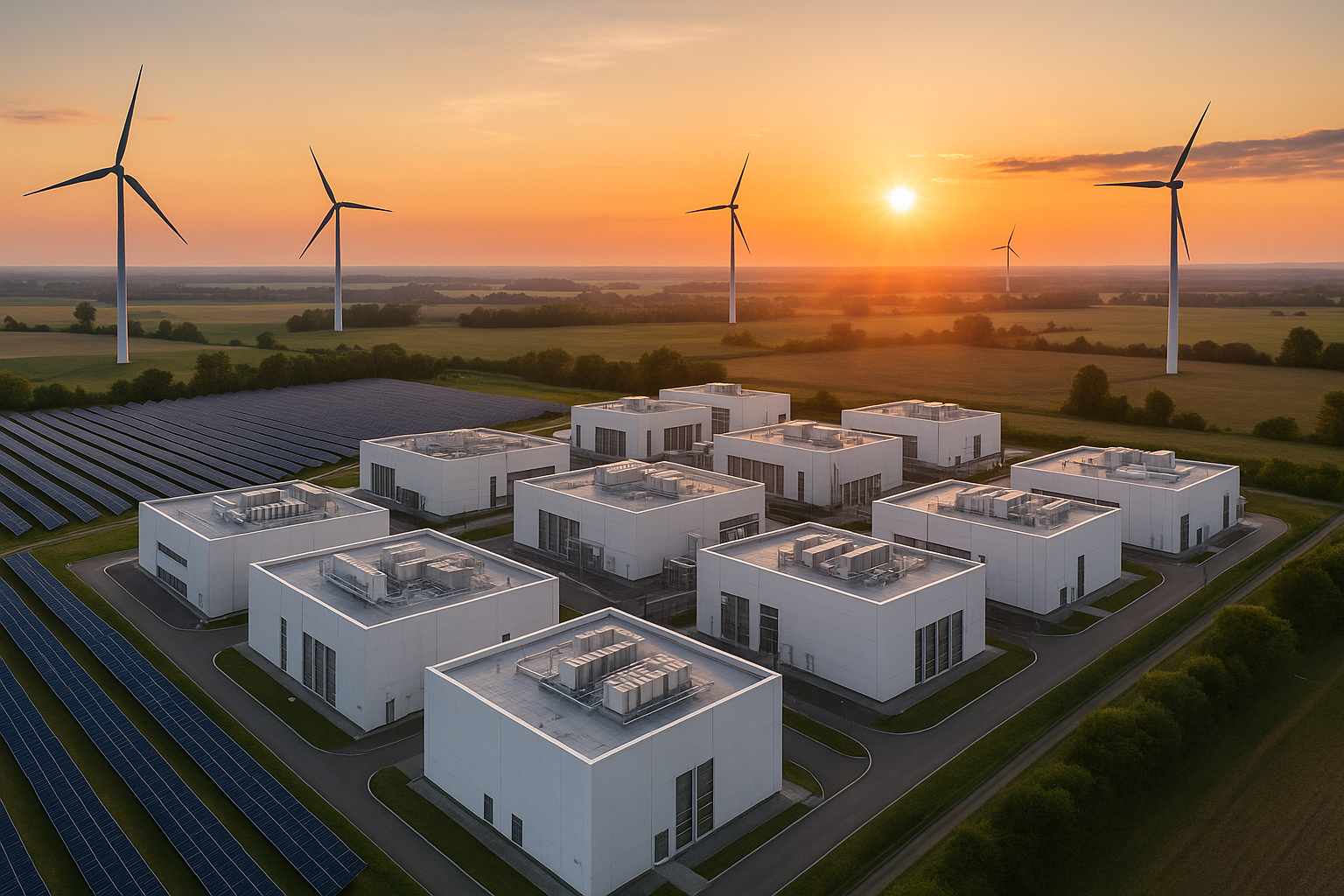
- Building facilities near renewable power sources
- Improving Power Usage Effectiveness (PUE) design standards
- Participating in industry-wide energy efficiency programs
Regulatory Landscape Adds Complexity
Data sovereignty, environmental impact assessments and planning permissions vary widely across European countries. In Germany and the Netherlands, stricter local ordinances have slowed development timelines. Meanwhile, the EU’s upcoming Digital Operational Resilience Act (DORA) and other data governance frameworks will further shape how services must be delivered.
Outlook for the European Data Centre Market
Despite power and regulatory headwinds, Europe remains a high-priority market for global tech providers. AI model training, edge computing and 5G deployment will continue to drive demand through 2030. The need to balance digital growth with environmental sustainability will define the next phase of evolution in the sector.